4 Signs Your Child Is Ready for a Gymnastics Class
Children possess incredible energy and display a natural inclination to climb, jump, and tumble around the house from the moment they learn to walk. As a parent, you watch them balance on the sofa or attempt somersaults in the hallway and wonder how to channel that enthusiasm safely and productively. Finding the right outlet for their physical energy is crucial for their development and your peace of mind. It's a matter of observing their behavior to determine if they need a structured environment to thrive.
Deciding exactly when to transition from living room acrobatics to a formal athletic setting can feel overwhelming. Many parents look for specific developmental milestones to ensure their child will benefit from a dedicated athletic program. Enrolling your little one in a gymnastics class provides a fantastic opportunity for them to develop fundamental motor skills while learning how to follow directions. If you pay close attention to their daily activities, you'll notice clear indicators that they're prepared to take this leap.
1. They Have Constant Desire to Climb and Tumble
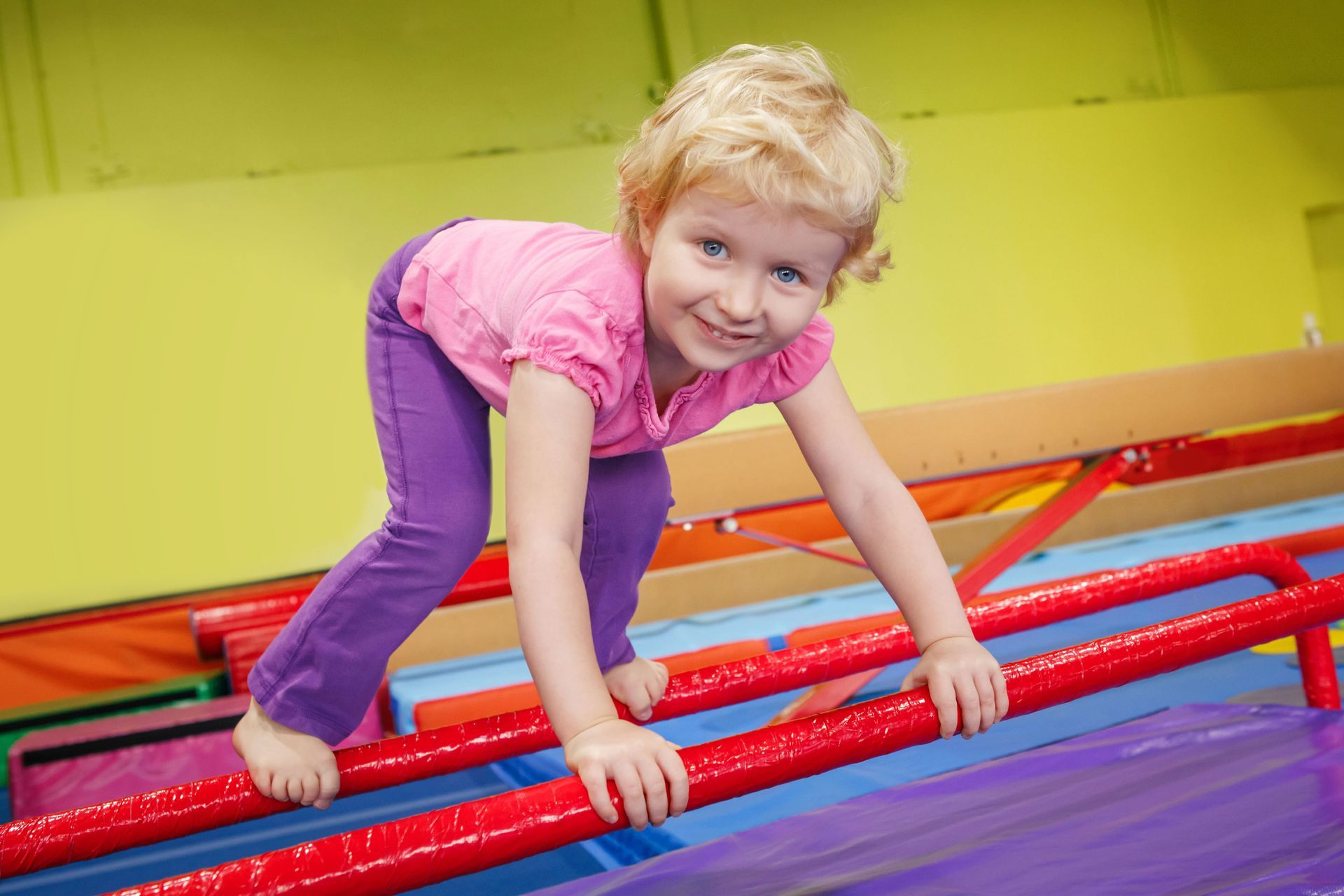
One of the most obvious indicators that your child's ready for formalized instruction is their relentless drive to engage in physical activity. You might frequently find them scaling bookshelves, leaping off the couch, or trying to walk on their hands in the backyard. This constant need to move demonstrates developing gross motor skills and spatial awareness. They're actively seeking ways to challenge their bodies and understand their physical capabilities.
When children consistently turn your home into a makeshift obstacle course, they're essentially asking for a designated space to explore movements safely. A padded gym environment offers the ideal solution by providing thick mats, low balance beams, and foam pits designed specifically to cushion falls. Instead of constantly reminding them to stop jumping on the bed, a local facility offers them an exciting venue where those exact actions are encouraged and refined under proper supervision.
The history of this sport shows that humans have long valued organized physical training. According to Britannica, gymnastics has been around for over 2,000 years, highlighting a rich tradition of athletic development. Today, a gymnastics class builds on that ancient foundation by teaching young athletes how to control their movements and land safely. They learn the proper mechanics of rolling, jumping, and balancing, which reduces the risk of injury while satisfying their urge to tumble.
2. They Have an Ability to Follow Basic Instructions
Physical readiness is only one part of the equation when determining if your child is ready for athletics. Cognitive maturity, specifically the ability to listen and adhere to simple directions, is equally vital for a successful experience. If your child can consistently follow two-step or three-step commands at home, such as picking up toys and washing hands before dinner, they're demonstrating the listening skills necessary for a structured environment like a gymnastics class.
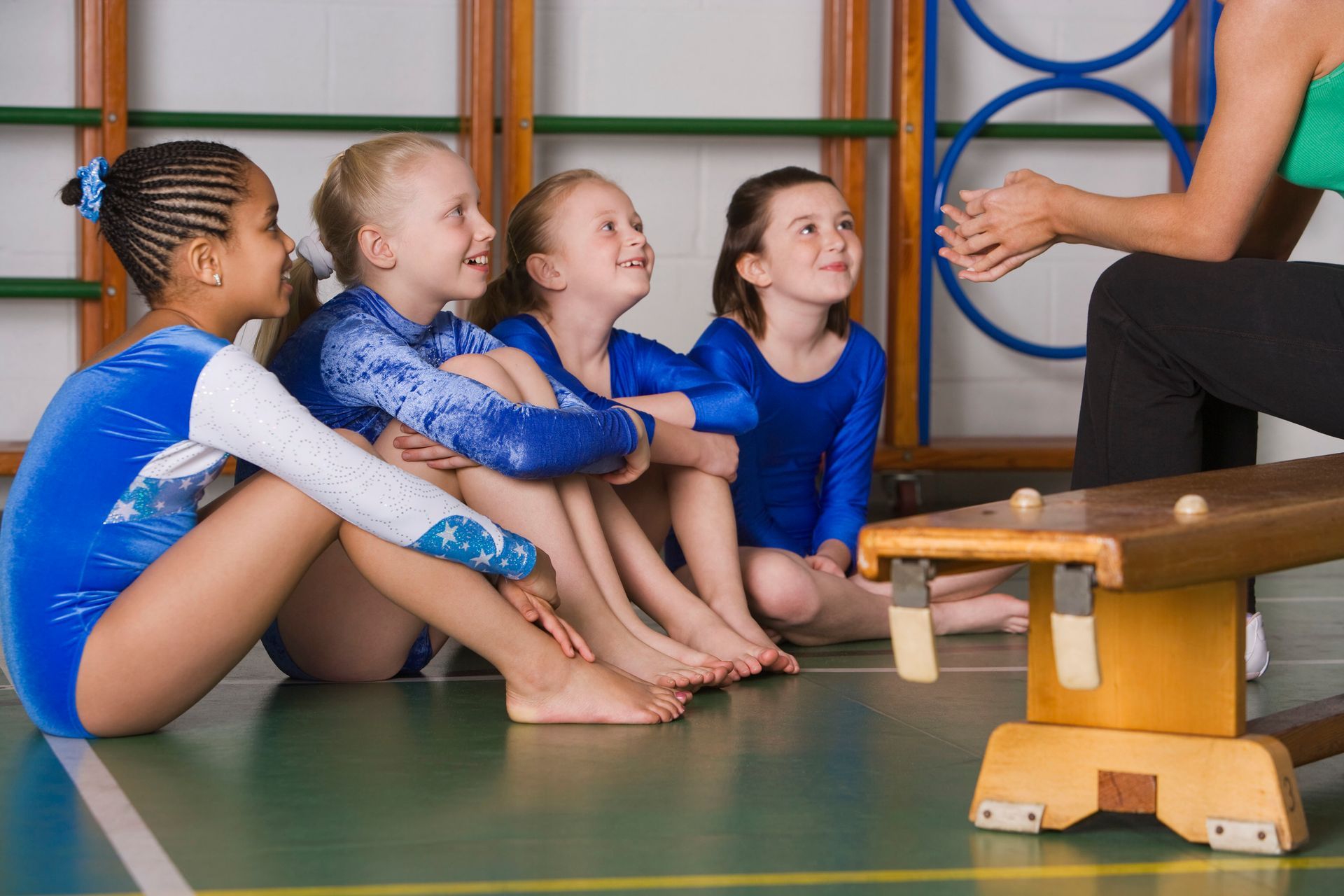
In a typical gym setting, coaches rely heavily on verbal cues to guide students through various exercises and ensure everyone remains safe. A child must be able to listen to the coach, wait for their turn, and understand basic rules like staying on a specific mat. When children show they can respect boundaries and listen to adults other than their parents, they're far more likely to thrive in group activities.
Maintaining focus for the duration of a lesson is another key element of this readiness sign. While it's normal for young minds to wander occasionally, a young gymnast should possess an attention span that allows them to engage with an activity for at least 15 to 20 minutes. Entering a formal program requires them to watch demonstrations and replicate those movements to the limits of their ability. Their capacity to pay attention ensures they absorb coaching instruction and enjoy the lesson.
3. They're Interested in Peer Interaction
As children grow, their social needs evolve from parallel play to actively seeking interaction with other kids. If your little one asks to go to the park specifically to find playmates or shows excitement about group activities at daycare, they're signaling a readiness for team-oriented settings. A local program offers an excellent avenue for them to socialize with peers who share similar interests and energy levels in a safe environment.
A gymnastics class naturally fosters socialization because children are grouped together to learn new skills. They must learn how to share equipment, cheer for their classmates, and exhibit patience while waiting in line for the trampoline or the vault. These interactions help them develop social competencies like empathy, cooperation, and conflict resolution. When they successfully navigate social dynamics, they build a solid foundation for healthy relationships inside and outside the gym.
Working alongside other children can provide a healthy sense of motivation. Watching a peer accomplish a new skill often encourages a child to try harder and persevere through their own challenges. When they attend their weekly session, they become part of a supportive community where everyone works toward personal goals within a group framework. This shared experience makes the learning process significantly more enjoyable and helps them build lasting friendships.
4. They're Developing Basic Coordination and Strength
While formalized coaching will certainly enhance physical abilities, having a baseline of coordination and strength indicates they're ready to begin. You might notice them effortlessly balancing on one foot, successfully catching a bounced ball, or climbing the playground rock wall with impressive agility. These everyday actions show that their muscles are developing appropriately and that their brain is efficiently communicating with their body to execute complex movements confidently.
Children who exhibit strong gross motor skills will find the introductory movements in a gymnastics class much more approachable and enjoyable. They'll have an easier time supporting their own body weight during a forward roll or gripping a bar tightly enough to hang for a few seconds. This baseline strength allows them to participate actively without feeling immediately overwhelmed or physically exhausted after just five minutes of movement. They can focus on refining their technique rather than struggling with basic support.
It's also important to observe how they handle minor physical challenges. If they fall while playing and quickly get back up to try again, they possess the physical resilience needed for athletic training. Participating in regular training will push their physical boundaries in a controlled manner. Their existing coordination will serve as the perfect starting point for learning more advanced routines as they progress through the instructional program.
Recognizing the right time to introduce your child to structured athletics involves looking at their physical habits, cognitive development, and social inclinations. A child who constantly climbs the furniture, listens to instructions carefully, seeks out friends, and shows decent coordination is begging for a proper physical outlet. Paying close attention to these four signs will help you make an informed decision about extracurricular activities like a gymnastics class and ensure they're genuinely prepared.
Providing them with a safe and supportive environment to burn off excess energy will benefit their overall growth tremendously. They'll learn valuable life skills like patience, perseverance, and teamwork while building a strong, healthy body from a young age. Enrolling them in a dedicated athletic program could be the ideal way to nurture their natural athletic abilities and provide them with an engaging weekly activity. Watch their confidence soar as they master new athletic skills and make wonderful new friends in the gym.
Ready to get started? Contact Gym Pro Academy today and enroll your child in a top-rated gymnastics class.